
Introduction
If you have recently received the Shingrix vaccine and are feeling “wiped out” or noticing neurological sensations like headaches or dizziness, you are not alone. In my experience, Shingrix is known for being a “reactogenic” vaccine—meaning it has a strong ability to provoke an immune response. While this is a sign the vaccine is working to protect you against shingles, it can also be alarming if you aren’t expecting it.
Patients often ask me: “Is this headache normal?” or “I feel tingling; could this be nerve damage?”
The vast majority of these symptoms are temporary and harmless. However, because Shingrix interacts with the immune system, there are rare instances where neurological complications can occur. This guide will help you distinguish between a normal immune response and signs that warrant a doctor’s visit.
The “Normal” Neurological Side Effects (Very Common)
First, let’s cover what is expected. The Shingrix vaccine (Recombinant Zoster Vaccine) triggers a robust immune response, and this often manifests in “systemic” symptoms that can feel neurological. According to FDA clinical data and post-marketing surveillance, these are very frequent and typically resolve within 2–3 days.
Headache: This is one of the most common complaints. Clinical trials show that approximately 38% to 51% of recipients experience headaches after vaccination. It is usually mild to moderate and responds well to simple painkillers.
Fatigue & “Brain Fog”: Feeling an overwhelming sense of tiredness is reported by about 45% to 57% of patients. You might feel mentally “foggy” or sluggish. This is not brain damage; it is your body diverting energy to build antibodies.
Myalgia (Muscle Pain): About 45% to 57% of people experience muscle aches. It is important to distinguish this from nerve pain. Myalgia feels like a dull ache or “gym soreness,” whereas nerve pain (neuropathy) often feels like burning or electric shocks.
The Verdict: If you have a headache, fatigue, or general achiness in the first 72 hours, this is almost certainly a normal reaction.
The “Gray Area”: Tingling and Numbness (Paresthesia)
This is the number one reason patients search online. You might feel a “pins and needles” sensation (paresthesia) in your arm or even fleetingly in other parts of your body.
Why does this happen?
Local Inflammation: Swelling at the injection site can compress small cutaneous nerves, causing temporary numbness or tingling in the arm where you got the shot.
Immune Activation: As your immune system ramps up (producing cytokines), it can cause temporary sensitivity in the nervous system.
Anxiety & Hyperventilation: It is also worth noting that anxiety about the vaccine can lead to hyperventilation, which physiologically causes tingling in the lips and fingertips.
Is it Neuropathy? True peripheral neuropathy (lasting nerve damage) is exceedingly rare following vaccination. Post-marketing data suggests that while cases of serious neuropathy have been reported, they are isolated events and not a common side effect. If your tingling is transient (comes and goes) and is not accompanied by weakness, it is likely a temporary inflammatory response.
The Rare Risk: Guillain-Barré Syndrome (GBS)
This is the condition most people are worried about when they search for “neurological side effects.”
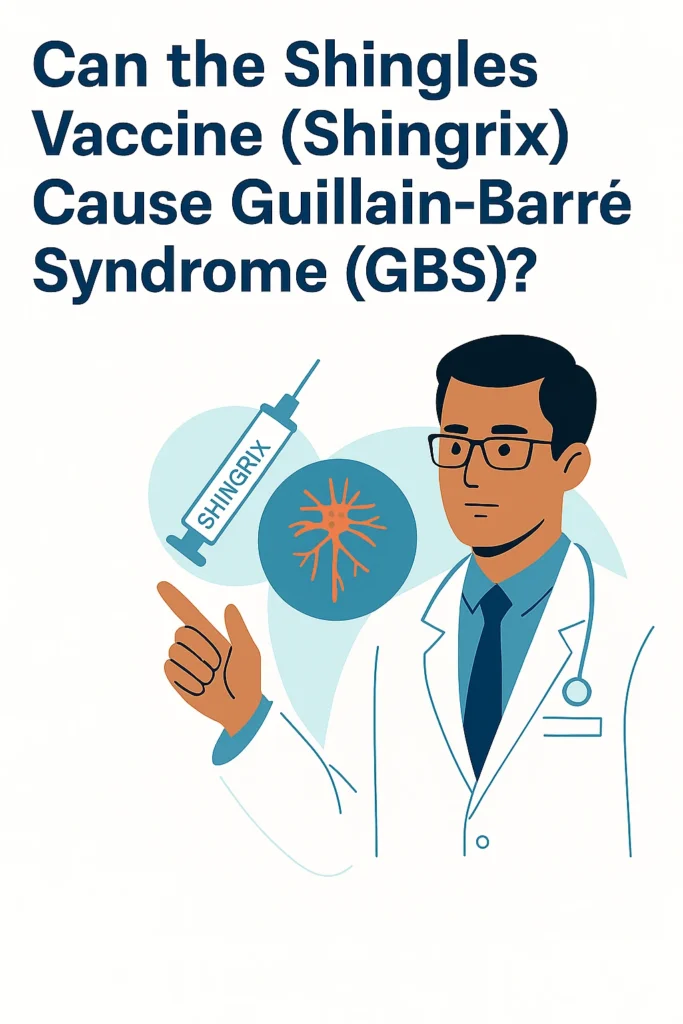
Guillain-Barré Syndrome (GBS) is a rare disorder where the immune system mistakenly attacks the nerves, leading to muscle weakness and sometimes paralysis. The FDA has required a warning on Shingrix regarding GBS based on observational data.
What are the odds? The risk is statistically very low. Studies estimate approximately 3 to 6 excess cases of GBS per million doses administered. To put that in perspective, the risk of getting GBS from the Shingles virus itself (if you remain unvaccinated) is often higher than the risk from the vaccine.
Deep Dive: If you are specifically worried about GBS or have a history of autoimmune conditions, I have written a dedicated article analyzing the evidence here: Shingrix Side Effects: Guillain-Barré Syndrome (GBS) & Neuropathy Risk (2025 Data)
When to See a Neurologist (Red Flags)
While most symptoms are benign, you should seek medical attention if you experience specific “red flag” neurological signs. These include:
Weakness, not just fatigue: If you have trouble lifting your foot (foot drop), gripping a coffee cup, or standing up from a chair.
Facial Droop: Difficulty smiling or closing one eye.
Double Vision: If you start seeing two images instead of one.
Ascending Numbness: Numbness that starts in your toes and slowly moves up your legs over days.
Summary
For the vast majority of my patients, the “neurological” side effects of Shingrix “headache, fatigue, and mild tingling ” are a small price to pay for protection against the devastating pain of Shingles. If your symptoms are mild and started within 24 hours of the shot, rest and hydration are likely all you need.